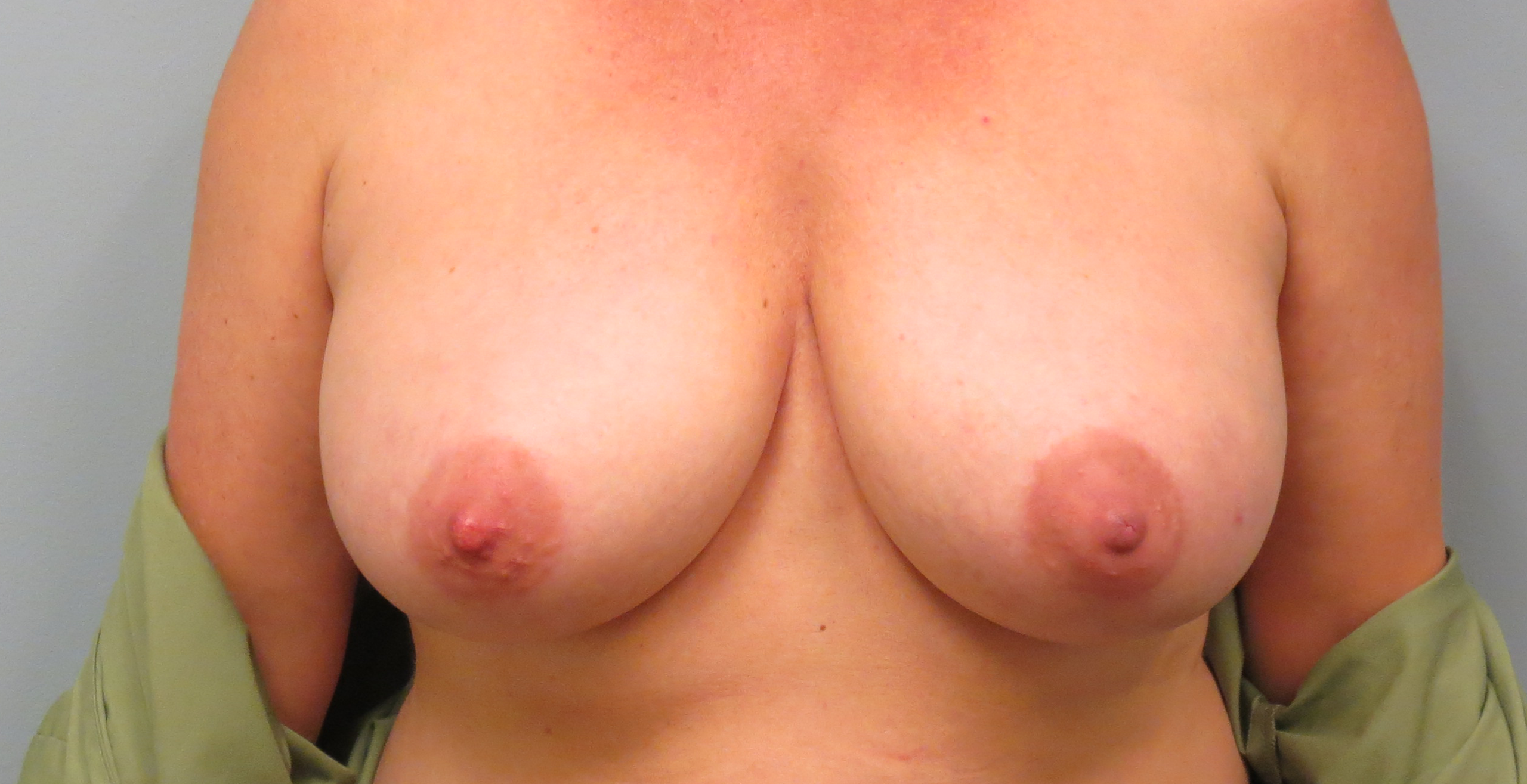
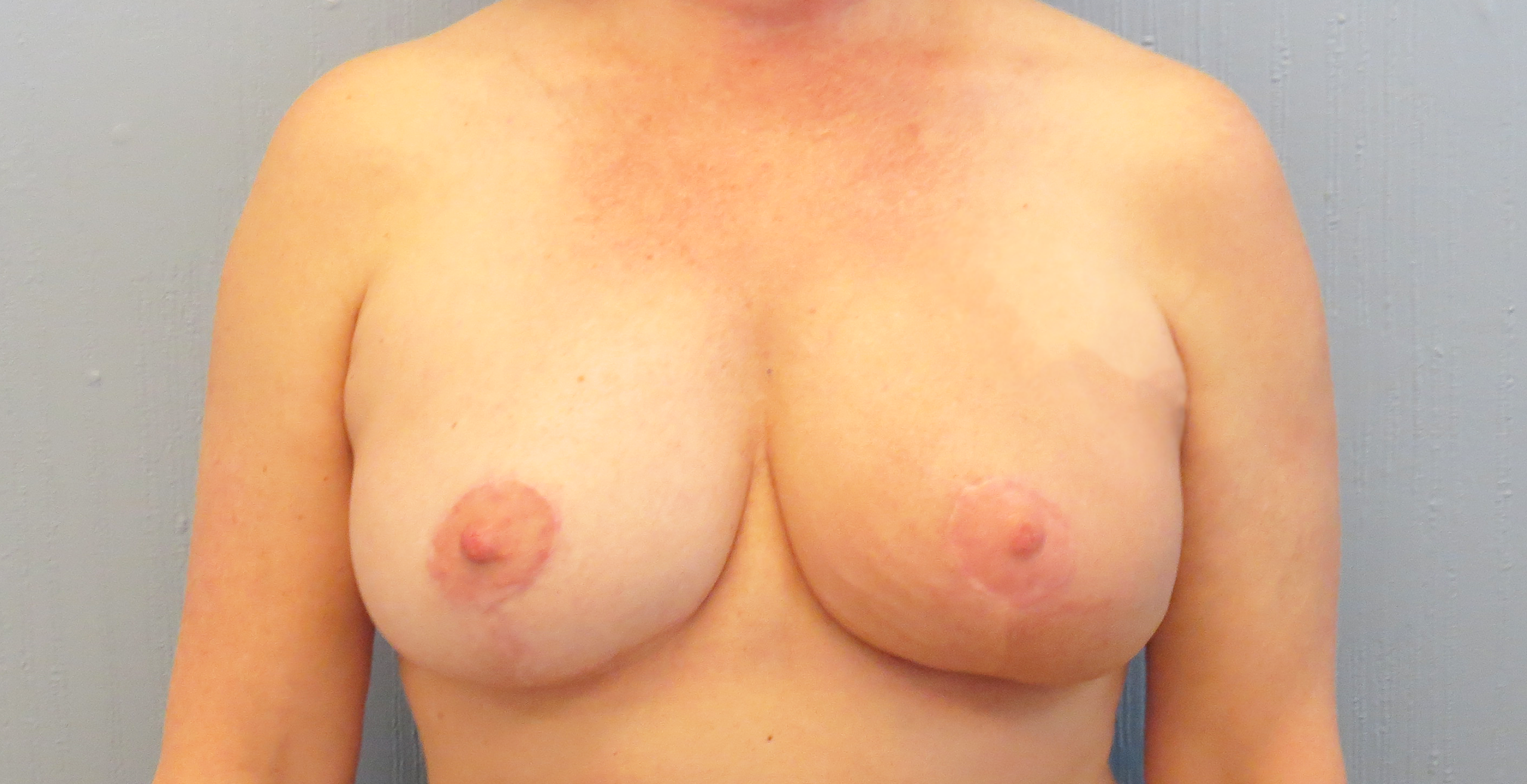
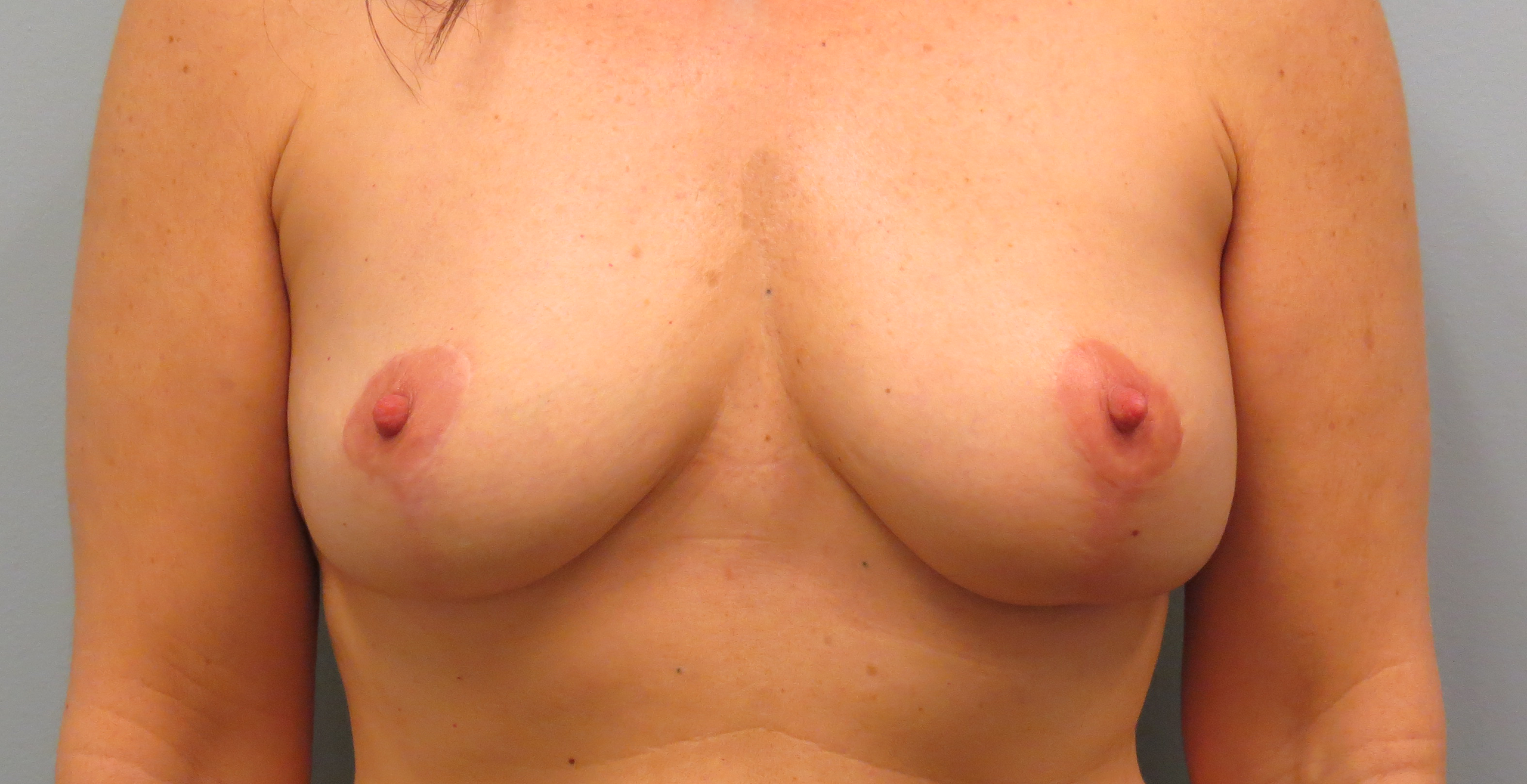
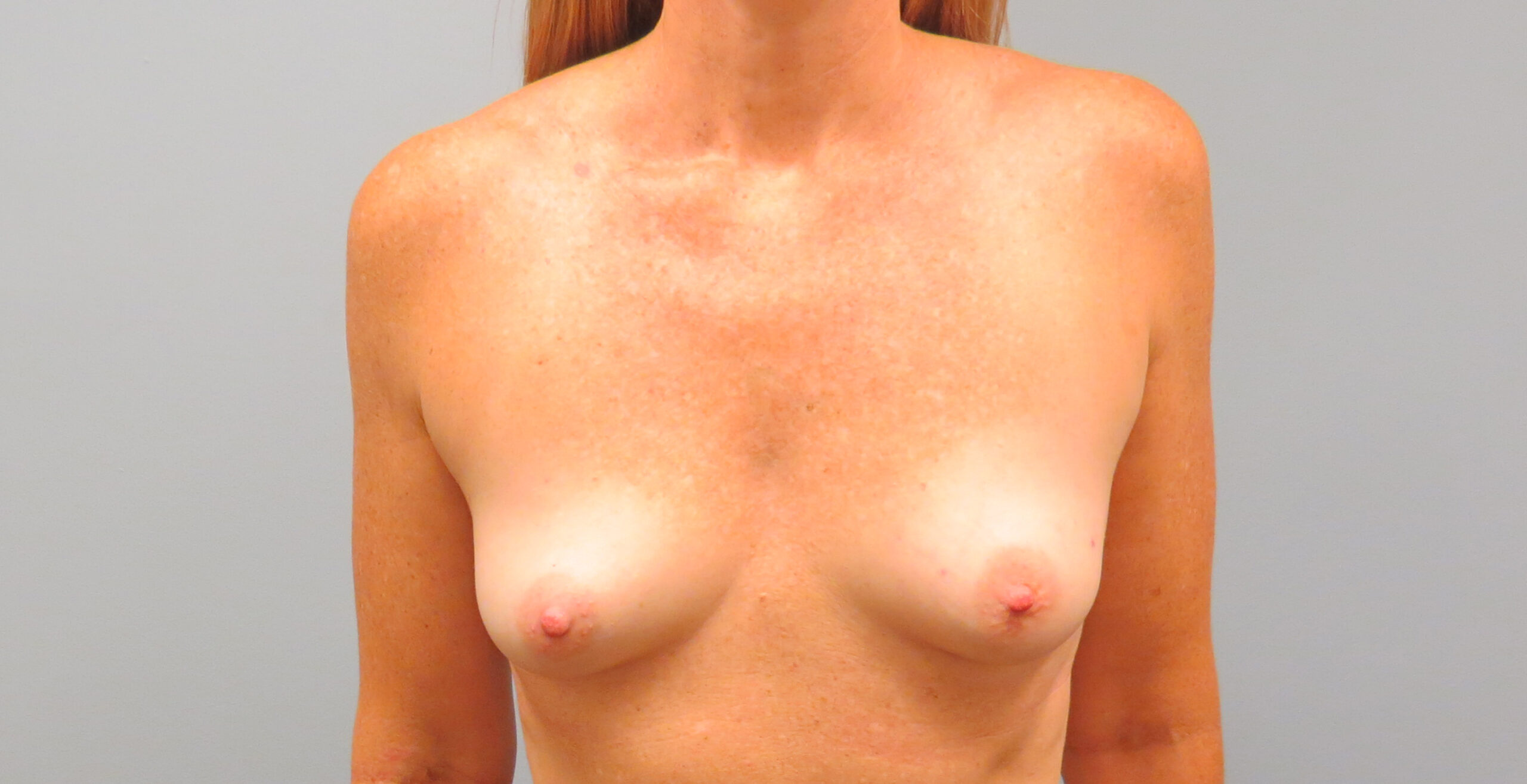
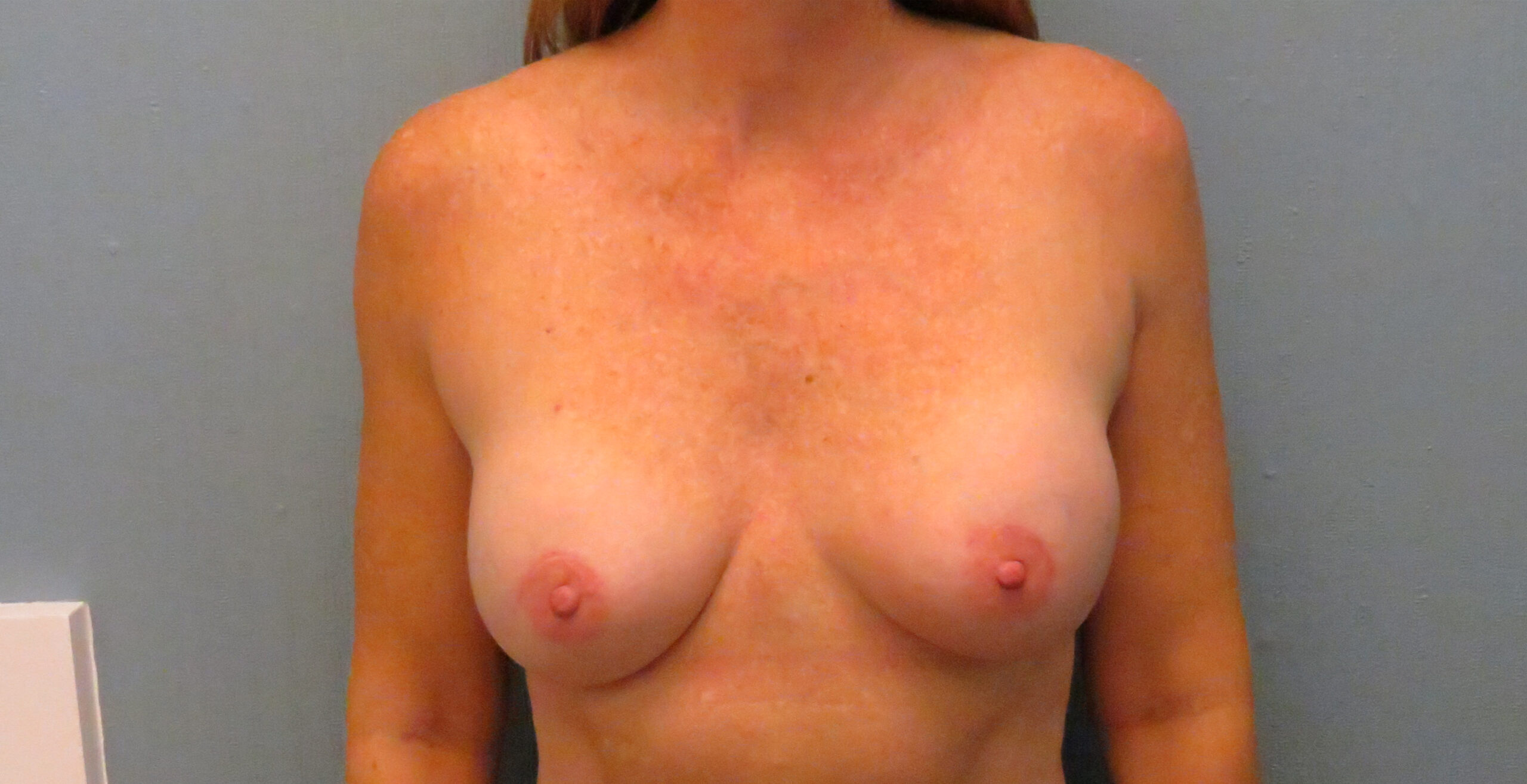
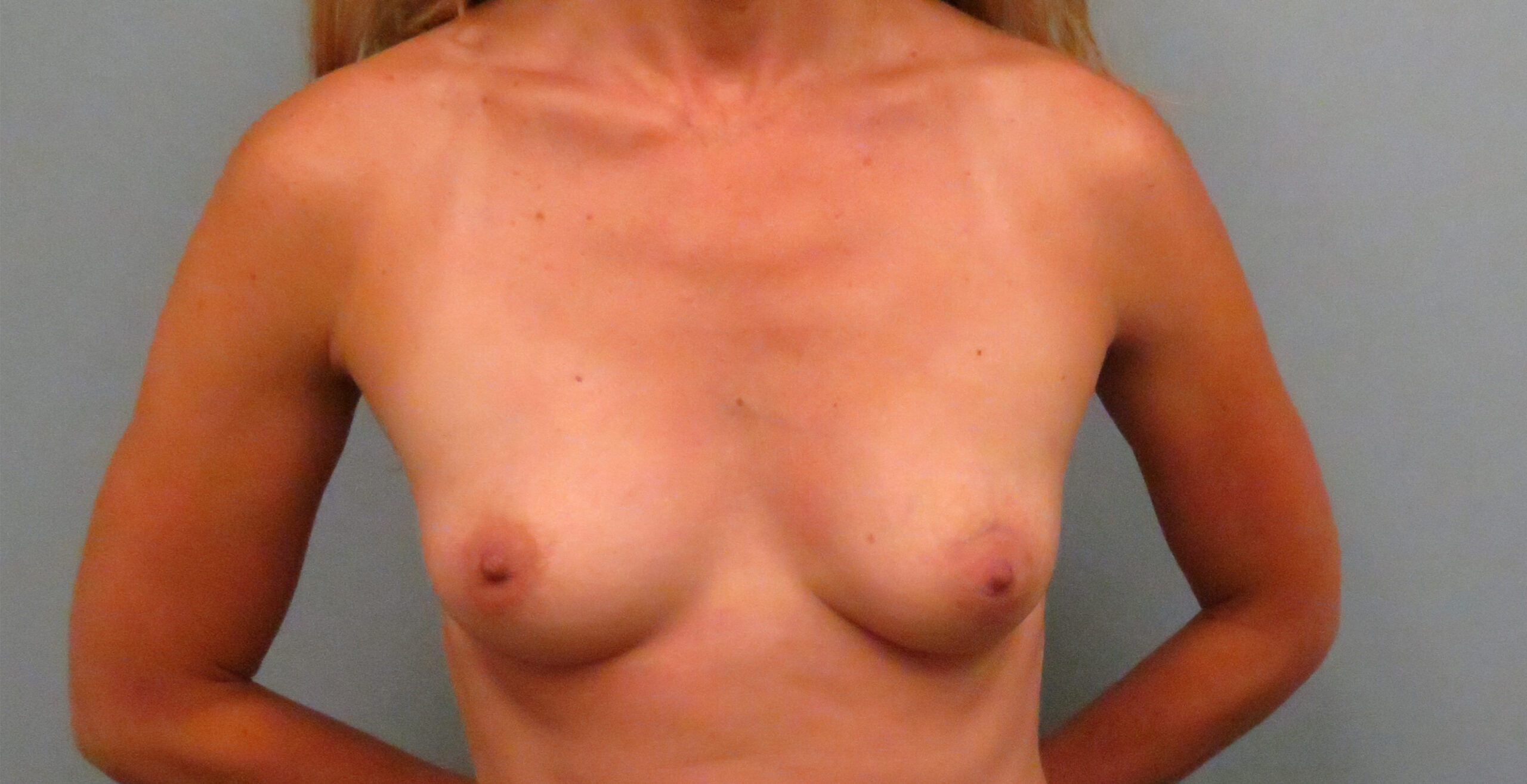
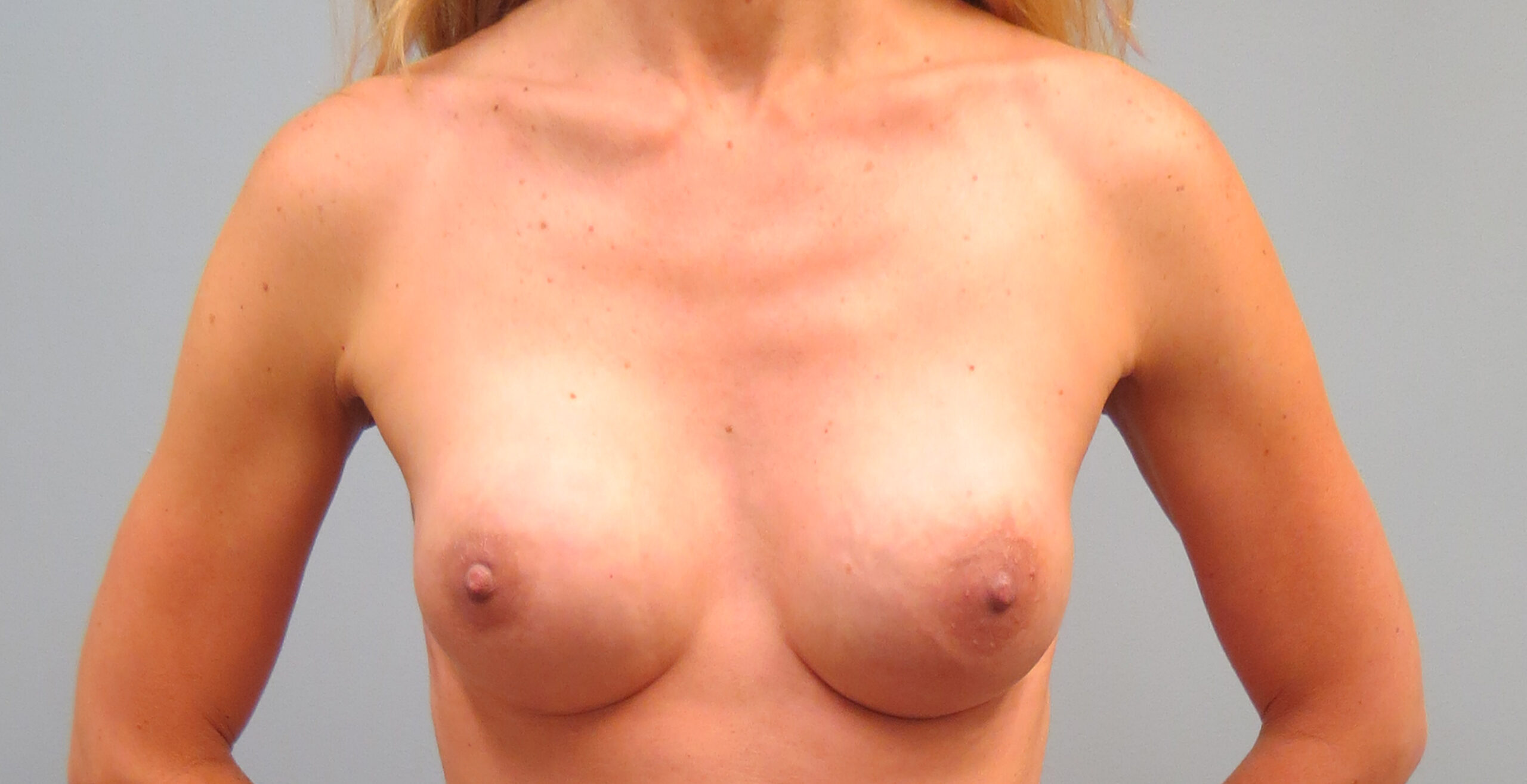
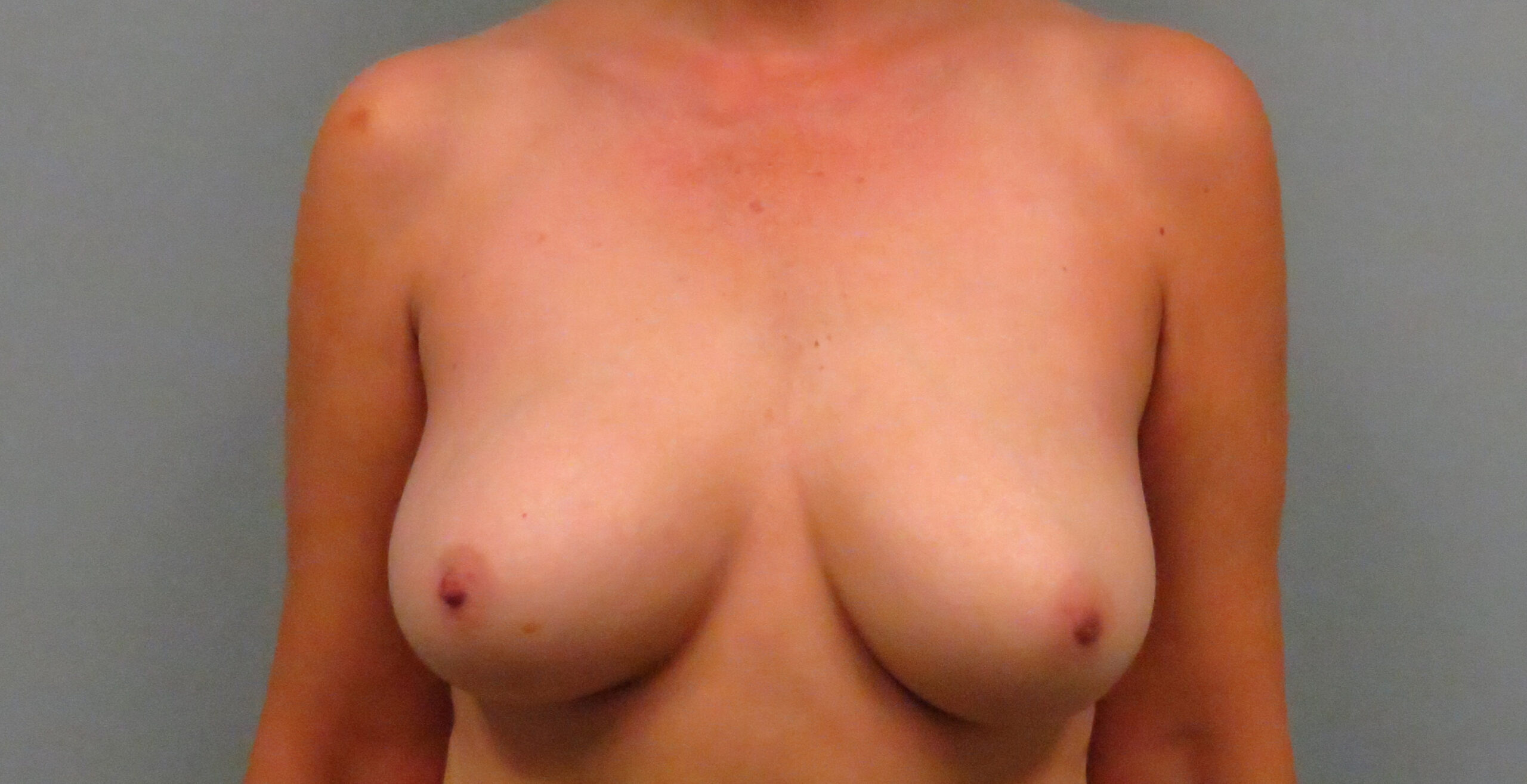
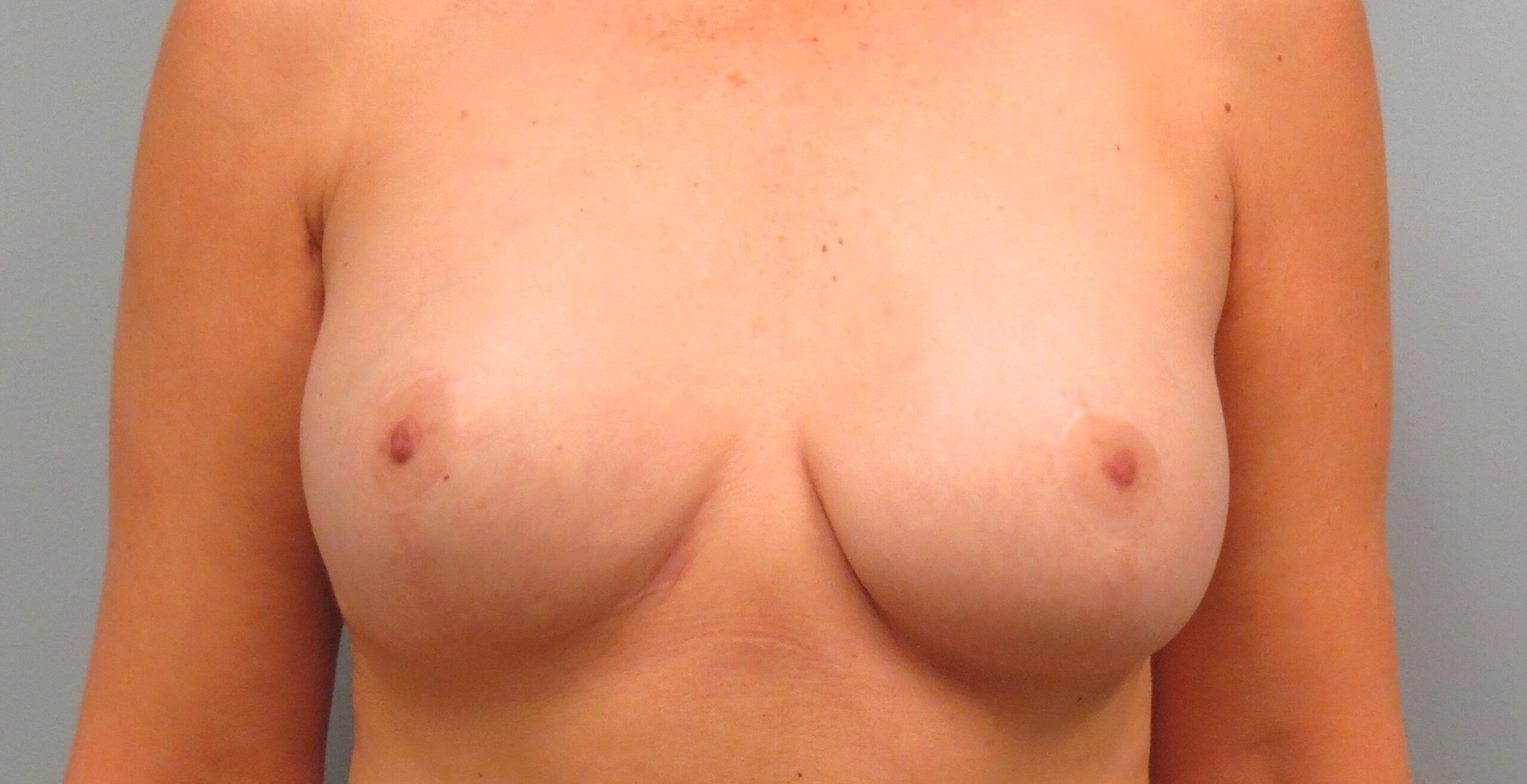
Pros: Patients can have a more natural-appearing upper part of the breast, less chronic pain and functional issues from cutting and disconnecting the pectoralis muscle. Patients who have had prior radiation or are expected to have post-mastectomy radiation will also be able to have better shape and symmetry with over-the-muscle implants.
Cons: With over-the-muscle implants, patients may potentially experience more rippling along the top of the breast, and mastectomy skin flap irregularities can be more visible. In addition, some surgeons may not offer this technique depending on their experience and training.
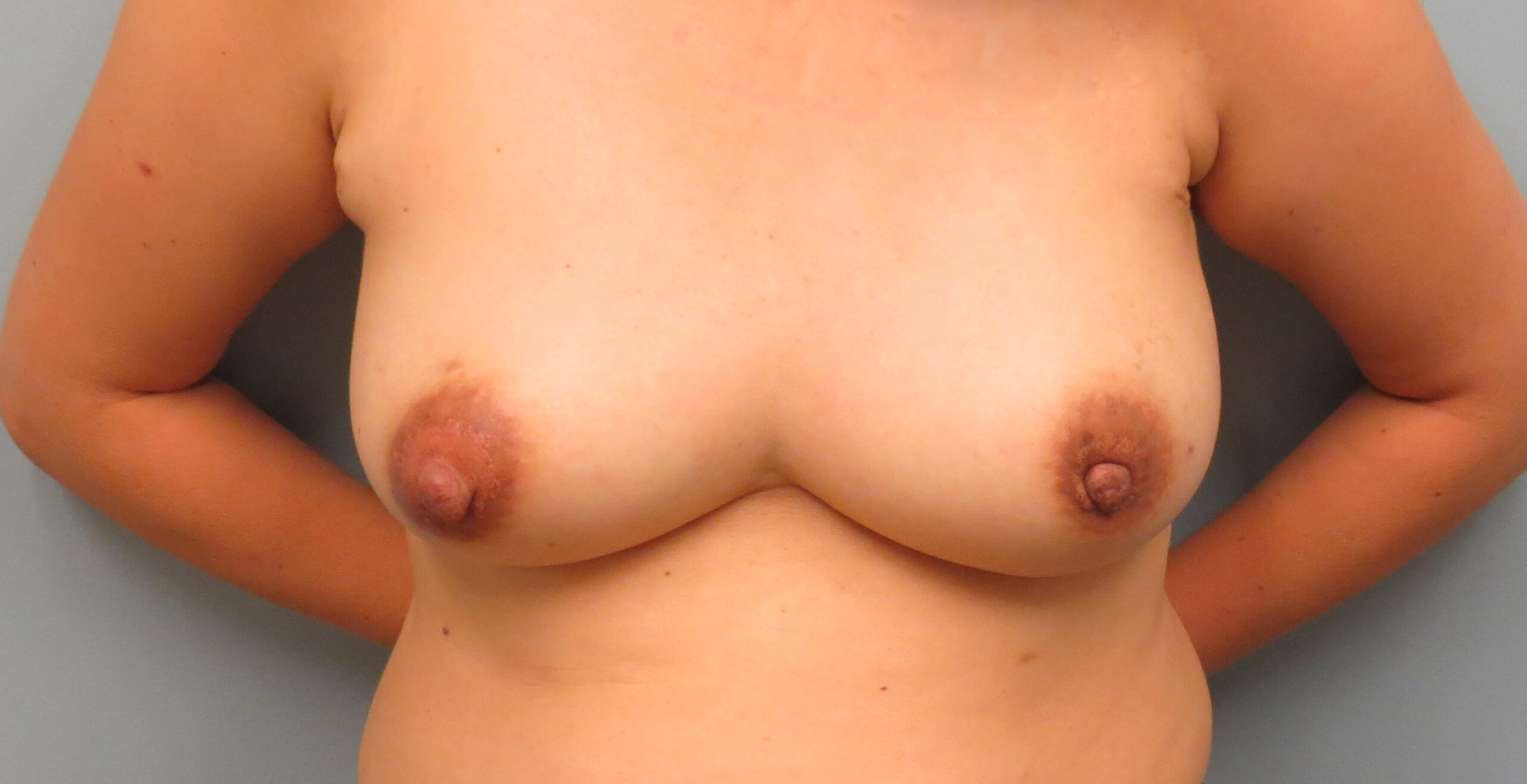
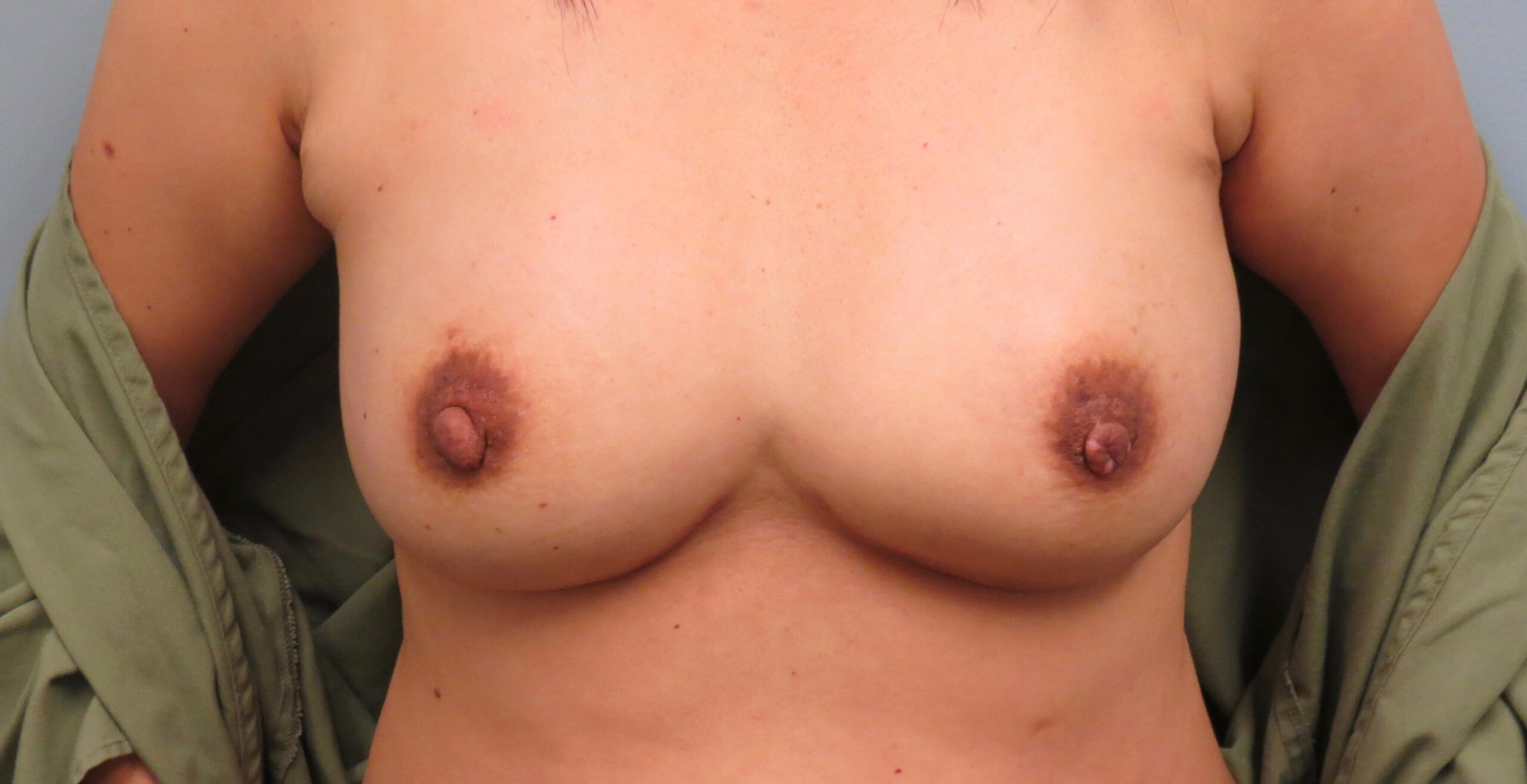
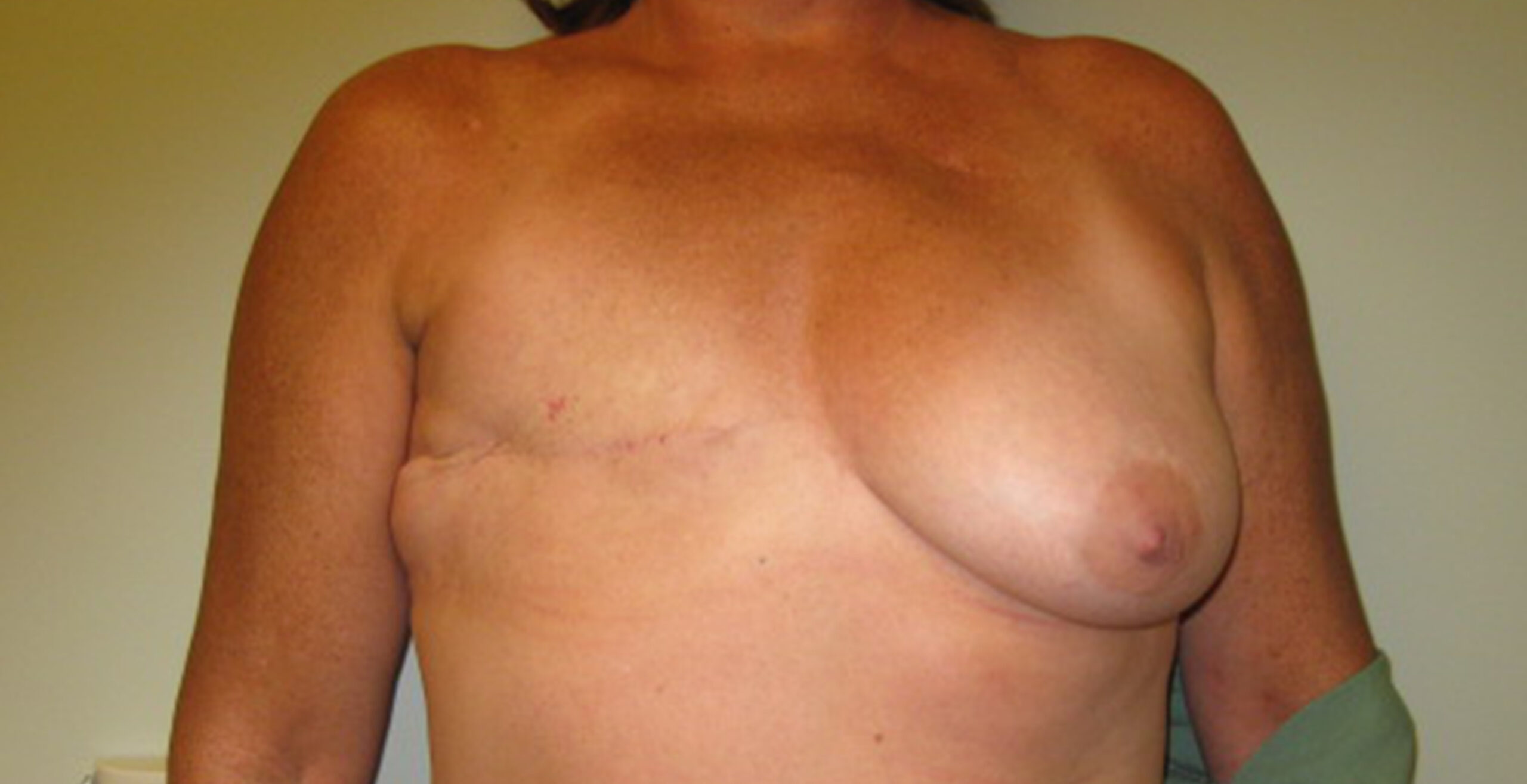
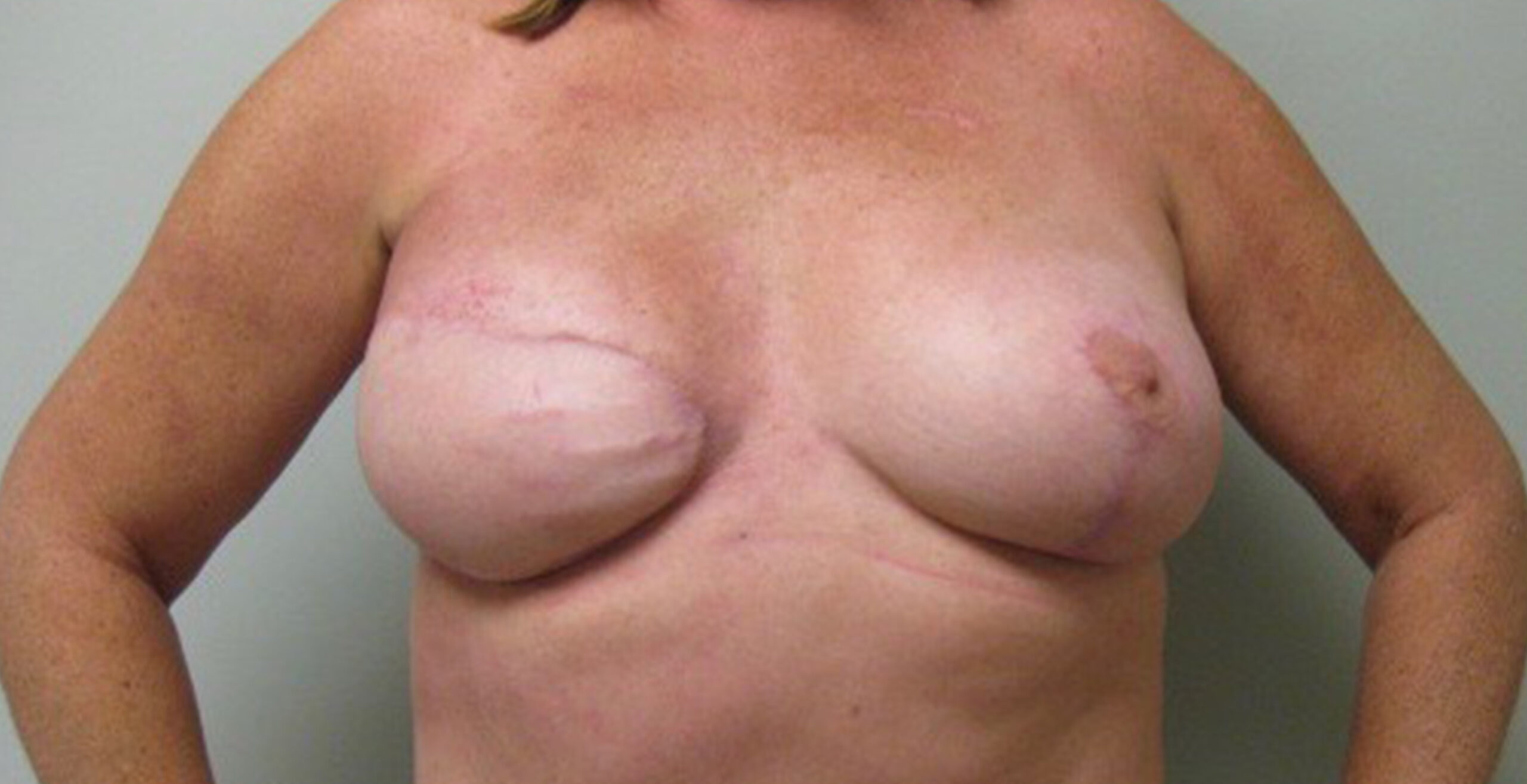
Pros: Under-the-muscle implants are a more familiar technique for many surgeons, based on their prior training. Patients are less likely to have rippling or visible edges of the implant along the top of the breast, and potentially can have better screening for future recurrence if the cancer is right on top of the chest muscle.
Cons: With under-the-muscle implants, patients can experience more short- and long-term pain, and frequently have “hyperanimation deformity” along the top of the breast with pectoralis movement. In addition, the implants are often displaced towards the armpits/sides or appear flattened along the top.




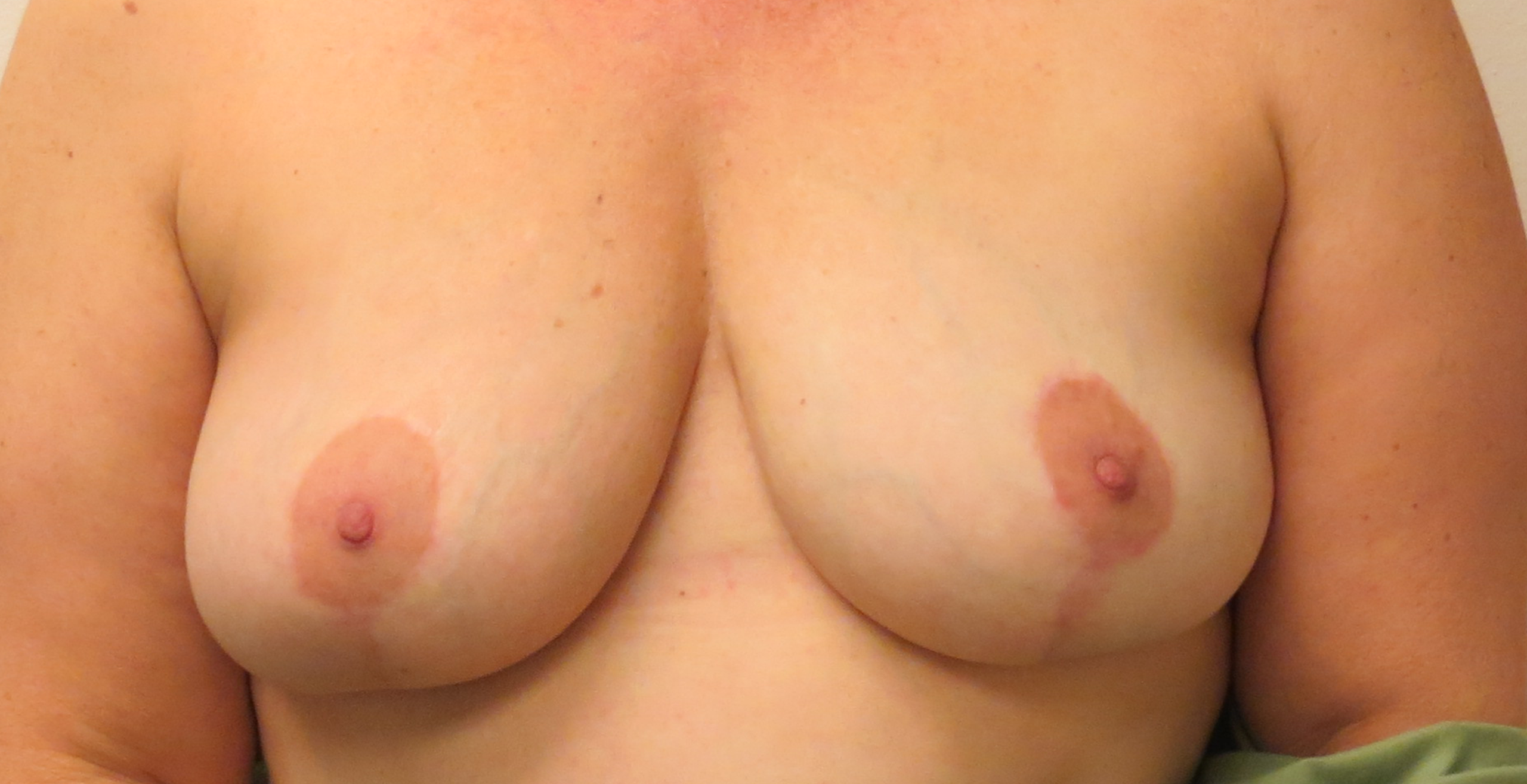
Depending on the procedure, recovery time can be any time from 4 to 6 weeks.
You can usually start walking within the first week, and can then slowly increase your exercise over next several weeks. You are generally back to full activity in 4 to 6 weeks.
You can view our favorite post-surgical products here.
Legally, insurance companies are required to cover breast cancer and breast recon procedures, but patients will need to verify this with their individual insurance providers before their surgery.
Older generation implants are thought to only last 10 years, but they are anticipating that newer ones will last from 20 to 25 years.
It’s best to speak with a physician to determine which procedure is the best for you.
Saline and silicone implants have different benefits depending on the patient. Newer silicone gel implants (a.k.a. “gummy implants”) are commonly used when silicone is selected.
Most women receive smooth implants, but this is always a personalized discussion with each patient.
Breast feeding can be impacted by any type of breast surgery, but there are many women who are able to successfully breast feed after certain types of breast cancer procedures. If you are undergoing a mastectomy, however, you will not be able to breast feed.
Our office has a scar management system that is customized for each patient.
Most people take 1 to 2 weeks off after surgery before they return to work, although that period can be longer if patients have additional/combined procedures involving different parts of their body.
Depending on the breast cancer procedure, varying levels of loss of sensation can occur. This is exactly why Dr. Peled has developed a new “sensation preserving mastectomy” technique, in order to preserve breast sensation during mastectomies and reconstruction. Click here to learn more.